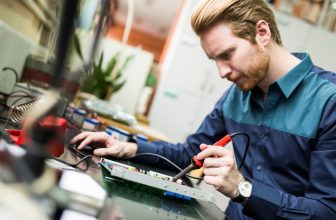
Getting started with DIY electronics projects can be both rewarding and practical. You’ll want to familiarize yourself with key concepts like voltage, current, and resistance. Having the right tools—like a soldering iron and multimeter—will make your journey smoother. Simple projects can help you build confidence and skills. But where do you begin, and what should you tackle first? Let’s explore the essential tools and some exciting projects that can kick-start your electronics journey.
Essential Tools and Equipment for Beginners
When you dive into DIY electronics projects, having the right tools and equipment can make all the difference. Start with a good soldering iron; it’s essential for connecting components securely.
You’ll also need a multimeter to measure voltage, current, and resistance, helping you troubleshoot effectively.
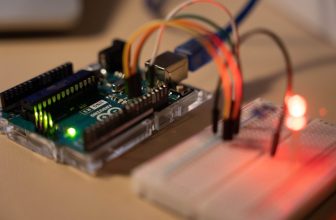
A breadboard is invaluable for prototyping without permanent connections.
Don’t forget wire strippers and cutters; they’ll save you time and frustration.
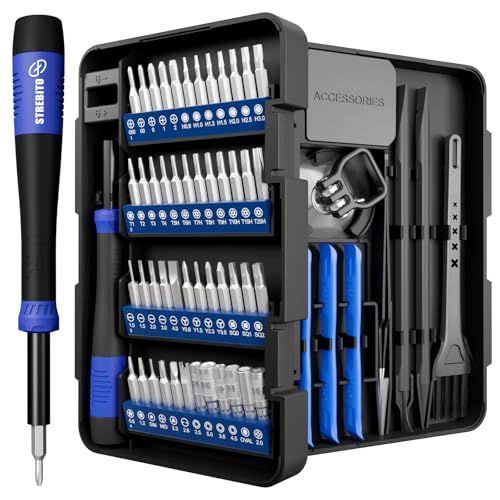
Invest in a set of precision screwdrivers for assembling and disassembling devices.
Lastly, keep a collection of jumper wires handy for quick connections.
These tools will set you up for success as you explore the exciting world of electronics, allowing you to bring your creative ideas to life.
Understanding Basic Electronics Concepts
Having the right tools sets the stage for exploring the fundamentals of electronics. You’ll want to familiarize yourself with key concepts like voltage, current, and resistance.
Voltage is the force that pushes electrical charges through a circuit, while current refers to the flow of those charges. Resistance, on the other hand, measures how much a material opposes that flow.
Ohm’s Law, which states that voltage equals current times resistance (V = I x R), is crucial for understanding how these elements interact.
Additionally, grasp the difference between series and parallel circuits, as they affect how components connect and function.
Simple Projects to Start With
If you’re eager to dive into the world of DIY electronics, starting with simple projects can make the learning process enjoyable and rewarding. Consider building a basic LED circuit. You’ll need a battery, a resistor, and an LED. This project teaches you about current flow and circuit connections.
Next, try creating a light-sensitive alarm using a photoresistor. It’s a fun way to learn about sensors while making something practical.
Another great project is a simple buzzer circuit. You can use a push button to activate the buzzer, giving you hands-on experience with switches.
These projects not only build your skills but also boost your confidence, encouraging you to tackle more complex electronics challenges in the future.
Conclusion
Getting started with DIY electronics projects can be both fun and rewarding. By familiarizing yourself with essential tools and basic concepts, you’ll build a solid foundation. Dive into simple projects to practice your skills and boost your confidence. Remember, it’s all about experimenting and learning as you go. So, gather your materials, plug in that soldering iron, and let your creativity spark! You’ll be creating amazing circuits in no time. Happy tinkering!
Trending Products

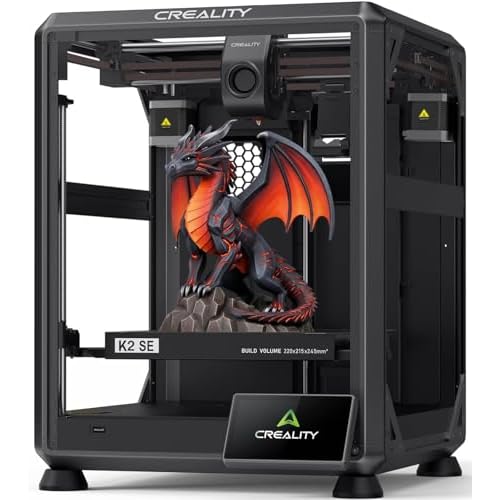
Creality K2 SE 3D Printer, 500mm/s High-Speed Printing, Support Multi Color 3D Printing Needs CFS, Solid Metal Build, Auto Leveling, Direct Drive Extruder, Quick-Swap Nozzle, 220×215×245mm Print Size


LISEN USB C to USB C Cable, 240W Fast Charging Type C Charger Cord (6.6FT)