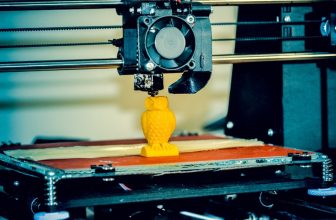
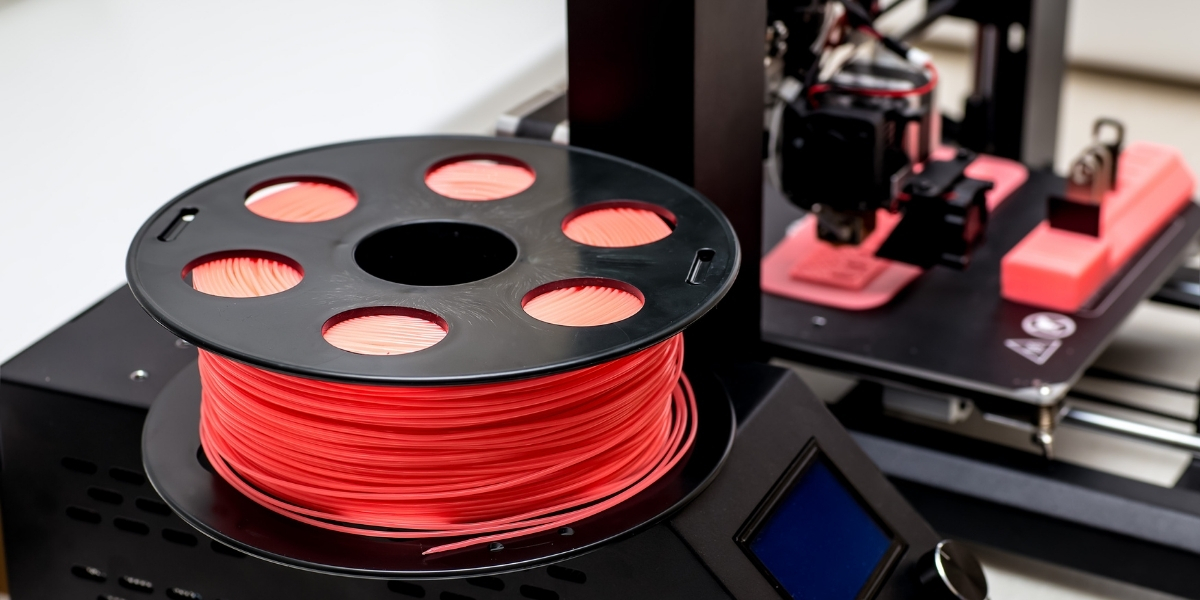
When you think about 3D printing, the term “filament” might come to mind. This essential thermoplastic material is what brings your designs to life, layer by layer. With various types available, each offers distinct properties that suit different needs. But how exactly does this process work, and what are the real-world applications of these materials? Let’s explore the fascinating world of 3D printer filament and its uses.
Understanding 3D Printer Filament
When you dive into 3D printing, understanding filament is crucial to your success. Filament serves as the material your printer uses to create objects, and it comes in various types, each with unique properties.
You’ll often encounter thermoplastics, which can be melted and reshaped multiple times, making them versatile for different projects. Knowing the right diameter is equally important, as it affects your printer’s nozzle and extrusion process.
Additionally, pay attention to the temperature settings required for each filament type, as this impacts print quality and adhesion.
Types of 3D Printer Filament
As you explore the world of 3D printing, you’ll discover a variety of filament types, each tailored to different applications and printing needs. The most common is PLA, known for its ease of use and biodegradability, making it perfect for beginners.
ABS is another popular choice, offering greater strength and heat resistance, but it requires better ventilation during printing.
PETG combines the best of both worlds, providing durability and flexibility.
For specialized projects, consider TPU for its flexibility or nylon for its toughness.
There’s also resin for high-detail prints in SLA printers.
Each filament type has unique properties, so understanding them helps you choose the right one for your 3D printing projects.
Happy printing!
Applications of 3D Printer Filament
Understanding the various types of 3D printer filament opens up a world of possibilities for their applications. You can create prototypes for product designs, helping engineers and designers visualize concepts more clearly.
In the medical field, filaments are used to produce custom prosthetics and dental devices tailored to individual patients. Education benefits too; schools often use 3D printing to engage students in hands-on learning.
Hobbyists and artists use filaments to craft unique sculptures and functional items, while industries rely on them for manufacturing parts and tools. Even in construction, filaments contribute to creating intricate architectural models.
With so many diverse applications, the potential for 3D printer filament is limited only by your imagination!
Conclusion
In conclusion, 3D printer filament is essential for bringing your creative ideas to life. With various types like PLA, ABS, and PETG, you can choose the best material for your project’s needs. Whether you’re making prototypes, educational models, or functional parts, understanding filament properties helps you achieve the desired results. So, dive into the world of 3D printing and explore the endless possibilities that different filaments offer for your next project!
Trending Products


Klein Tools 3005CR Wire Crimper Tool, Ratcheting Insulated Terminal Crimper for 10 to 22 AWG Wire

TP-Link Dual-Band AX3000 Wi-Fi 6 Wireless Gigabit Internet Router for Home


Anker Prime Charger, 160W Max 3-Port GaN Charger, for MacBook Pro Charger

YIHUA 929D-V Electric Desoldering Soldering Iron Solder Sucker Desoldering Pump with Shorter Charging Handle and Desoldering Nozzles 1.0mm 1.2mm for Through-Hole Desoldering

FLASHFORGE AD5X Multi-Color 3D Printer, CoreXY 600mm/s High-Speed, 1-Click Auto Leveling, 300°C Direct Drive Extruder, 220x220x220mm Build Volume, Ideal for Precision and Efficiency