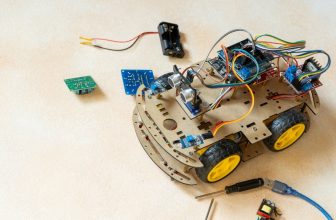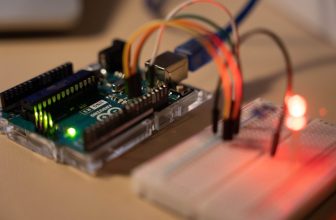
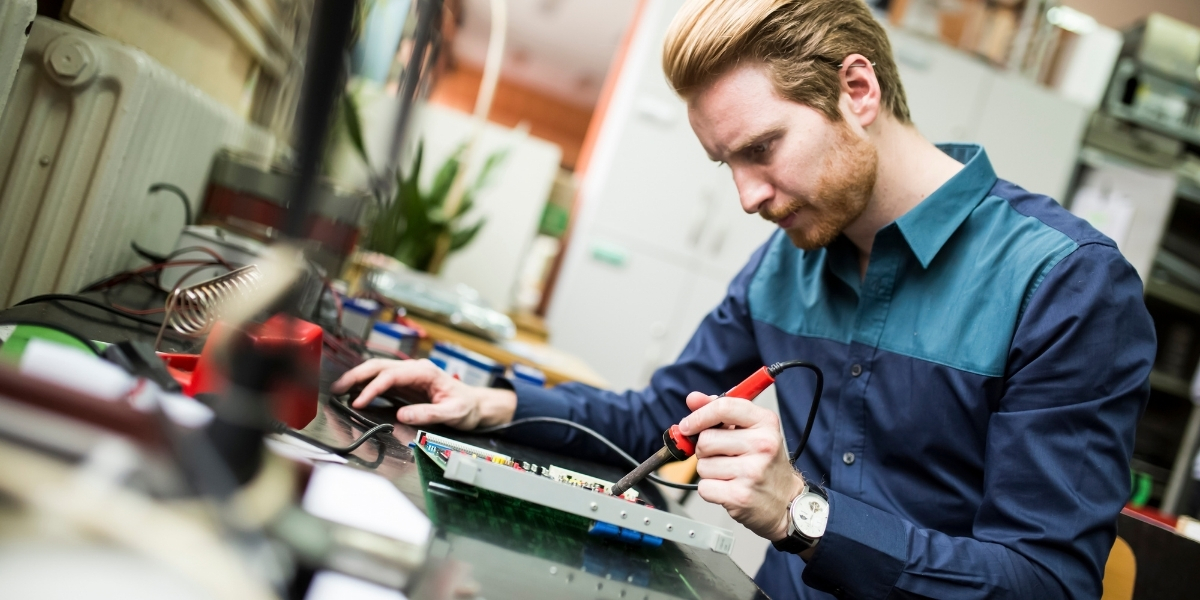
When starting your journey in electronics, having the right tools is crucial for both assembly and troubleshooting. From basic hand tools to specialized equipment, each item plays a role in your workshop’s efficiency. You’ll need a solid foundation of equipment to tackle various projects and ensure safety. But what specific tools should you prioritize to set yourself up for success? Let’s explore the essentials that will enhance your learning experience.
Basic Hand Tools
When you’re starting your electronics workshop, having the right basic hand tools can make all the difference. You’ll want to invest in a good pair of wire cutters, pliers, and a screwdriver set. Wire cutters help you trim components and leads with precision, while pliers are essential for gripping and bending wires.
A variety of screwdrivers, including Phillips and flathead, ensures you can tackle different screws on your projects. Don’t forget about a utility knife for cutting and stripping insulation from wires. Tweezers are also handy for maneuvering small components, and a ruler will help you measure accurately.
Lastly, a sturdy workbench or mat will provide a stable surface, making your workshop efficient and enjoyable.
Soldering Equipment
To succeed in your electronics projects, having the right soldering equipment is crucial. Start with a quality soldering iron; it should heat up quickly and have a comfortable grip.
A soldering station is a great investment, as it offers adjustable temperature control for different tasks. Don’t forget solder; choose a rosin-core type for electronics, as it flows well and creates strong joints.
You’ll also need a soldering iron tip cleaner, like a brass sponge, to keep your tip in good shape. Lastly, grab some helping hands or a soldering jig to hold your components securely while you work.
With these tools, you’ll be well-equipped to tackle your projects confidently and effectively. Happy soldering!
Testing and Measurement Tools
Having reliable testing and measurement tools is essential for diagnosing and troubleshooting your electronics projects effectively. A multimeter is a must-have; it measures voltage, current, and resistance, making it versatile for various tasks.
You should also consider an oscilloscope for visualizing waveforms, which helps you understand signal behavior in more complex circuits. For checking continuity and detecting faults, a simple continuity tester can save you time and frustration.
Additionally, you might want a logic analyzer if you’re working with digital circuits, as it allows you to monitor multiple signals simultaneously.
Lastly, invest in a good set of probes and leads, as they ensure accurate measurements and enhance the functionality of your testing tools.
Organization and Safety Supplies
Effective testing and measurement tools can only take you so far if your workspace isn’t organized or safe. Start by investing in storage solutions like bins and shelves to keep components sorted and accessible. Label everything—this saves time and reduces frustration. Use a dedicated workbench with ample space to avoid clutter.
Safety should be your top priority. Always wear safety goggles and consider a lab coat to protect yourself from solder splashes and sharp tools. Keep a first-aid kit handy for minor accidents. Fire safety is crucial, so have a fire extinguisher nearby and avoid overloading electrical outlets.
Conclusion
In conclusion, equipping your beginner electronics workshop with the right tools is vital for a successful learning experience. By having essential hand tools, quality soldering equipment, and reliable testing instruments at your disposal, you’ll be well-prepared to tackle various projects. Don’t forget to prioritize organization and safety supplies to create an efficient workspace. With these essentials, you’ll not only enhance your skills but also enjoy the process of experimenting and building in electronics. Happy tinkering!
Trending Products



![USB C to USB C Cable 60W [2Pack 3FT], USB C Fast Charging Cable for Car](https://m.media-amazon.com/images/I/515dS1R9i8L._SS500_.jpg)


HEPHi3D TINA2S 3D Printer for Kids & Beginners Friendly, Fully Assembled