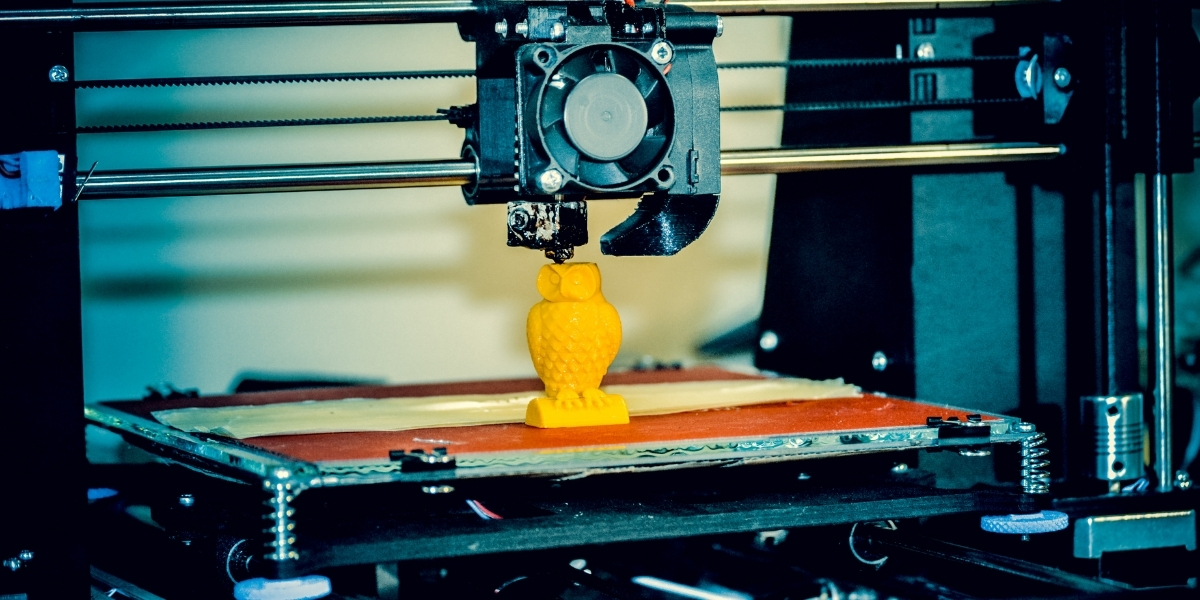
Getting started with 3D printing can seem daunting, but it doesn’t have to be. You’ll need to choose the right printer based on your budget and project goals. From FDM to resin, each technology has its strengths. Plus, selecting the right materials is crucial for your success. As you navigate this process, you’ll discover essential tools and techniques that can elevate your projects. What steps will you take to ensure your first print is a success?
Understanding the Basics of 3D Printing
When you dive into 3D printing, you’re entering a fascinating world where digital designs transform into tangible objects. At its core, 3D printing involves creating three-dimensional items layer by layer from a digital file.
You can use various materials, like plastic, resin, or metal, which are melted and shaped into your desired form.
Understanding the process starts with learning about CAD software, where you can design your models. Once your design’s ready, you’ll slice it into layers using slicing software, preparing it for the printer.
Each printer operates differently, but they all rely on similar principles: extrusion, sintering, or curing. Grasping these basics sets the foundation for your 3D printing journey, making it easier to explore the endless possibilities ahead.
Choosing the Right 3D Printer
As you embark on your 3D printing journey, selecting the right printer is crucial for achieving your desired results. Consider your budget first; there’s a wide range of options, from affordable entry-level models to advanced machines.
Think about what you want to print. Different printers cater to various applications—some excel at detailed miniatures, while others can handle larger objects.
Pay attention to print technology as well; FDM printers are popular for beginners, while resin printers offer higher precision.
Don’t forget to check the printer’s build volume, as it determines the size of your creations.
Lastly, read reviews and join forums to gain insights from other users. Making an informed choice will set you up for success in your 3D printing endeavors.
Selecting Materials for Your Projects
After selecting the right 3D printer, the next step is choosing the materials for your projects. The material you pick can greatly affect your print’s strength, flexibility, and finish.
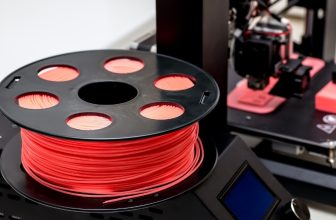
Common choices include PLA, which is user-friendly and ideal for beginners, and ABS, known for its durability but requires a heated bed. Consider specialty filaments like PETG or TPU if you’re looking for specific properties like impact resistance or flexibility.
Always check your printer’s compatibility with different materials. Think about the project’s purpose; if it’s for display, aesthetics matter, but for functional parts, strength is crucial.
Finally, don’t forget to consider the environment—biodegradable options like PLA are great for eco-friendly projects.
Conclusion
Getting started with 3D printing can be an exciting journey. By understanding the basics, choosing the right printer, and selecting suitable materials, you’re setting yourself up for success. Don’t forget to explore CAD software and slicing tools to bring your designs to life. Join online communities for support and inspiration, and start with simple projects to build your confidence. Dive in, experiment, and enjoy the creative possibilities that 3D printing has to offer!
Trending Products


Klein Tools 3005CR Wire Crimper Tool, Ratcheting Insulated Terminal Crimper for 10 to 22 AWG Wire
TP-Link Dual-Band AX3000 Wi-Fi 6 Wireless Gigabit Internet Router for Home


Anker Prime Charger, 160W Max 3-Port GaN Charger, for MacBook Pro Charger

YIHUA 929D-V Electric Desoldering Soldering Iron Solder Sucker Desoldering Pump with Shorter Charging Handle and Desoldering Nozzles 1.0mm 1.2mm for Through-Hole Desoldering

FLASHFORGE AD5X Multi-Color 3D Printer, CoreXY 600mm/s High-Speed, 1-Click Auto Leveling, 300°C Direct Drive Extruder, 220x220x220mm Build Volume, Ideal for Precision and Efficiency