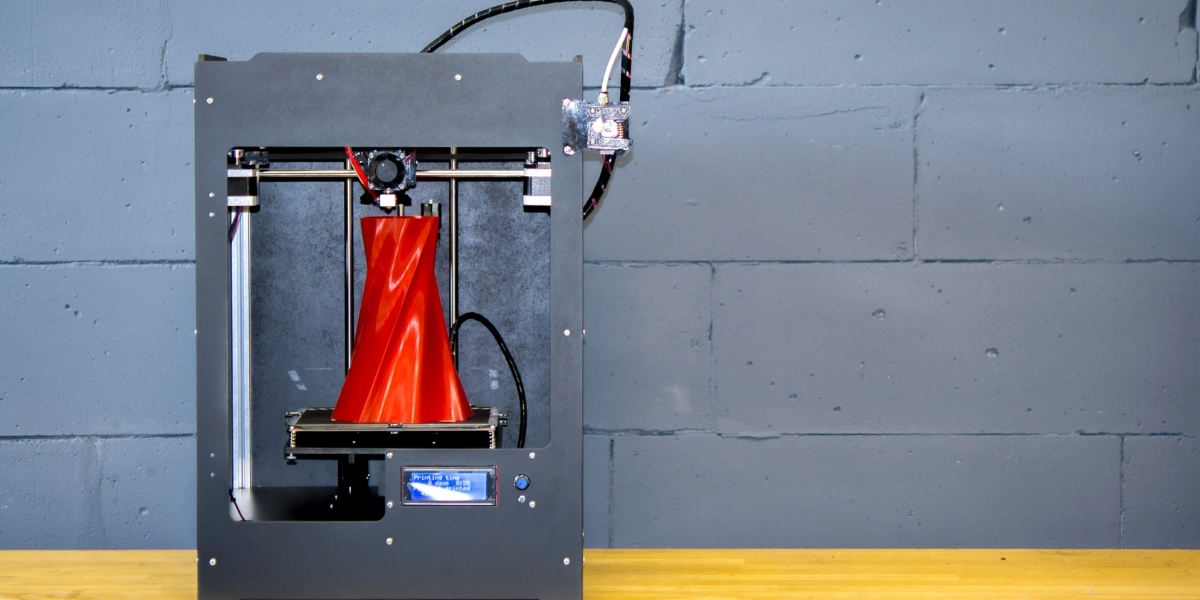
Choosing the right 3D printer for your projects isn’t just about picking the latest model. It involves understanding your specific needs, budget constraints, and the features that will truly enhance your workflow. Whether you need a printer for prototyping or detailed work, knowing the key aspects can make a significant difference. So, what should you consider first in this process? Let’s break it down.
Key Features to Consider
When you’re choosing a 3D printer, it’s essential to consider several key features that will impact your printing experience. First, think about the build volume; it determines the size of objects you can create.
Next, look at the print resolution, as higher resolution means finer details in your prints. You’ll also want to consider the printer’s speed, which affects how long you’ll wait for your projects.
Material compatibility is crucial too; different printers support various filaments, so ensure it meets your needs. Lastly, check for user-friendly software and connectivity options, like Wi-Fi or USB, to streamline your workflow.
Understanding Different 3D Printing Technologies
While exploring 3D printing technologies, you’ll encounter several distinct methods, each with its own strengths and weaknesses. Fused Deposition Modeling (FDM) is popular for its affordability and ease of use, making it ideal for beginners.
Stereolithography (SLA) offers high precision and smooth finishes but can be more expensive and requires post-processing.
Selective Laser Sintering (SLS) is perfect for complex shapes and strong materials, yet it’s typically pricier and less accessible.
Digital Light Processing (DLP) shares similarities with SLA but can print faster.
Each technology serves different needs, so consider what you plan to create. By understanding these methods, you can make an informed choice that aligns with your project goals and requirements.
Budgeting for Your 3D Printer
As you dive into the world of 3D printing, budgeting for your printer is crucial to ensure you find the right fit for your needs. Start by determining how much you’re willing to invest. Entry-level printers can cost around $200, while more advanced models might range from $1,000 to several thousand dollars.
Don’t forget to factor in additional costs like filament, maintenance, and software. Think about what you plan to create—if you’re into intricate designs, spending a bit more on a higher-quality printer could pay off.
Also, consider the long-term benefits of investing in a reliable machine that won’t require frequent replacements. By setting a realistic budget, you’ll make a more informed decision that aligns with your 3D printing goals.
Conclusion
Choosing the right 3D printer can significantly impact your projects. By considering key features like build volume, print resolution, and material compatibility, you can find a printer that meets your specific needs. Understanding the different technologies available helps you select the best option for your goals. Finally, keep your budget in mind, factoring in ongoing costs. With the right printer, you’ll enhance your efficiency and elevate the quality of your work. Happy printing!
Trending Products


Klein Tools 3005CR Wire Crimper Tool, Ratcheting Insulated Terminal Crimper for 10 to 22 AWG Wire
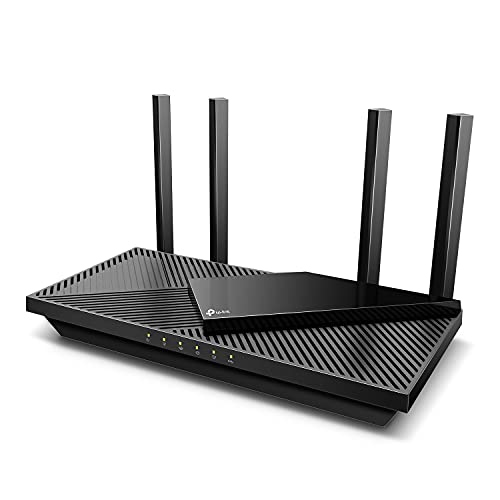
TP-Link Dual-Band AX3000 Wi-Fi 6 Wireless Gigabit Internet Router for Home


Anker Prime Charger, 160W Max 3-Port GaN Charger, for MacBook Pro Charger

YIHUA 929D-V Electric Desoldering Soldering Iron Solder Sucker Desoldering Pump with Shorter Charging Handle and Desoldering Nozzles 1.0mm 1.2mm for Through-Hole Desoldering

FLASHFORGE AD5X Multi-Color 3D Printer, CoreXY 600mm/s High-Speed, 1-Click Auto Leveling, 300°C Direct Drive Extruder, 220x220x220mm Build Volume, Ideal for Precision and Efficiency