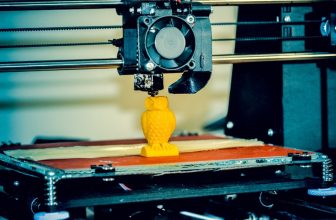
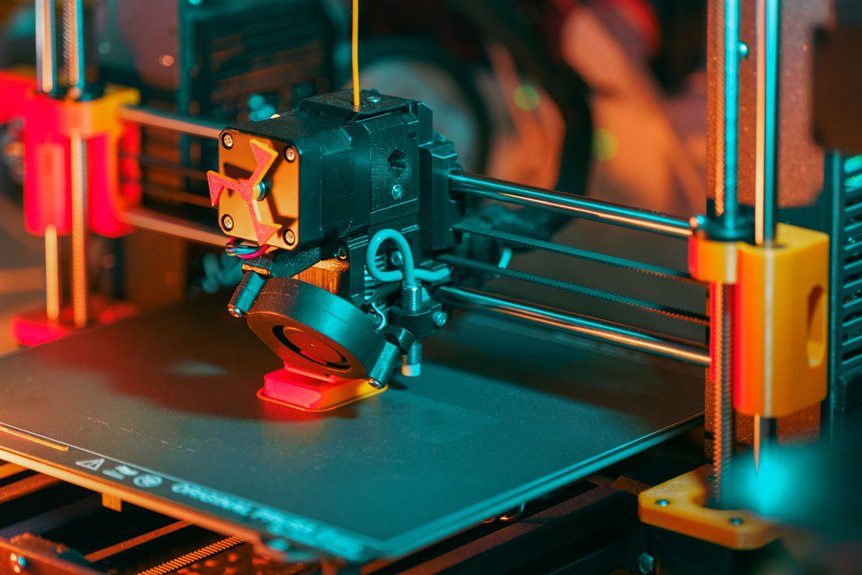
You might be curious about how 3D printing has revolutionized manufacturing and design. This technology takes digital files and turns them into tangible objects, layer by layer. It’s not just about creating prototypes; it opens doors to intricate designs and customization. But what exactly goes into this process? Understanding the basics could change the way you think about production and creativity in various fields. Let’s explore the fundamentals together.
The Basics of 3D Printing Technology
Have you ever wondered how 3D printing transforms digital designs into tangible objects? At its core, 3D printing uses computer-aided design (CAD) to create three-dimensional models. You start with a digital file, which your printer reads layer by layer.
This process typically involves materials like plastic, metal, or resin, which are melted or cured to form the object. Unlike traditional manufacturing, 3D printing allows for complex shapes and customized designs without the need for molds or tooling.
As the printer builds each layer, it solidifies into the final product, offering flexibility and precision. You can create prototypes, tools, or even art pieces, all tailored to your specifications. It’s a game-changer in design and manufacturing.
Common 3D Printing Processes
What methods do you think manufacturers use to create objects through 3D printing? You’ll find that several common processes stand out.
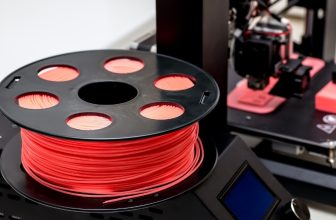
Fused Deposition Modeling (FDM) is popular, where heated filament melts and layers build up.
Stereolithography (SLA) uses UV light to cure liquid resin layer by layer, producing highly detailed parts.
Selective Laser Sintering (SLS) employs a laser to fuse powdered materials, ideal for creating durable prototypes.
Digital Light Processing (DLP) is similar to SLA but uses a digital light projector for faster curing.
Each method has its unique advantages, catering to different needs and applications.
Materials Used in 3D Printing
The choice of materials in 3D printing significantly impacts the quality and functionality of the final product. You’ll often encounter thermoplastics like PLA and ABS, which are popular for their ease of use and versatility.
If you’re aiming for durability, consider nylon or PETG, known for their strength and flexibility.
For more specialized applications, metals like titanium and aluminum are used in industrial 3D printing, providing high-performance solutions.
Additionally, you might explore resin-based materials for intricate details and smooth finishes.
Each material comes with its own properties, so you’ll want to choose based on your project’s requirements. Understanding these options will help you create better designs tailored to your specific needs.
Conclusion
In summary, 3D printing is a groundbreaking technology that turns your digital designs into tangible objects, layer by layer. Whether you’re prototyping a new product or creating custom art, this versatile process opens up endless possibilities. With various techniques and materials to choose from, you can bring your ideas to life in ways you never thought possible. So, dive into the world of 3D printing and explore how it can revolutionize your projects and creativity!
Trending Products

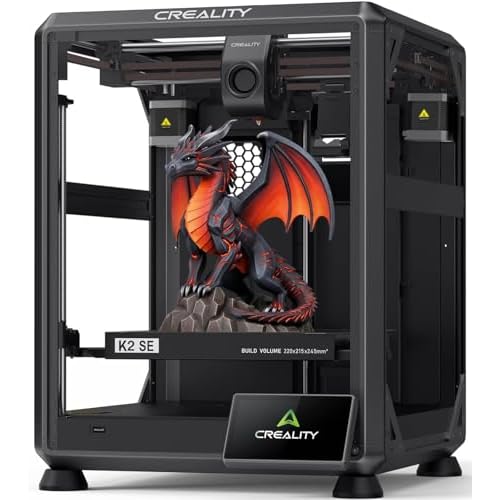
Creality K2 SE 3D Printer, 500mm/s High-Speed Printing, Support Multi Color 3D Printing Needs CFS, Solid Metal Build, Auto Leveling, Direct Drive Extruder, Quick-Swap Nozzle, 220×215×245mm Print Size


LISEN USB C to USB C Cable, 240W Fast Charging Type C Charger Cord (6.6FT)